 17 Master programs in 2 languages in Italy in Nutrition
Explore the world of nutrition in Italy with higher education study programs in nutrition. Learn about the latest research and trends in the field, gain hands-on experience, and study under experienced professors. Discover the Mediterranean diet and traditional Italian foods while preparing for a successful career in nutrition.
Nutrition is an essential aspect of human health and well-being. It plays a critical role in maintaining a healthy body and mind, and is essential fo...
Nutrition is an essential aspect of human health and well-being. It plays a critical role in maintaining a healthy body and mind, and is essential for preventing and treating various chronic diseases. In Italy, higher education study programs in nutrition are becoming increasingly popular among students who want to pursue a career in this field.
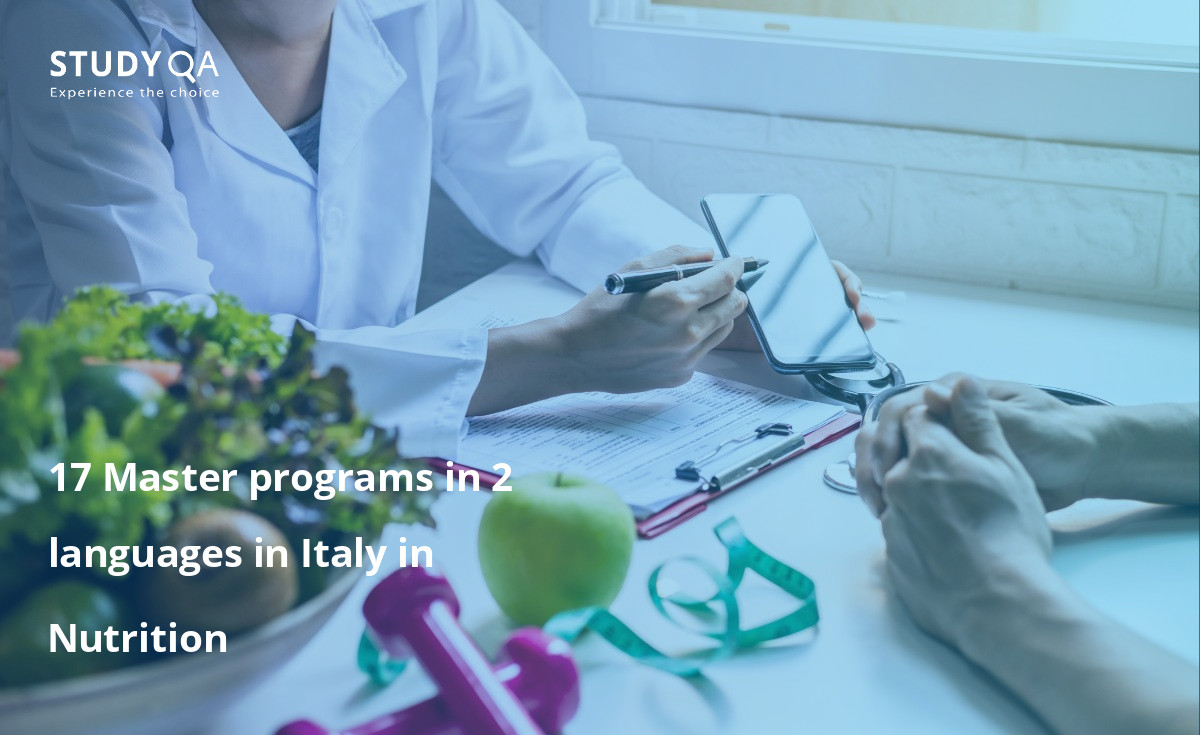
There are a wide range of nutrition programs available in Italy, including undergraduate and graduate degrees. These programs cover a variety of topics, including human nutrition, food science, and public health nutrition. The curriculum is designed to provide students with a comprehensive understanding of the field of nutrition, including the latest research and trends in the field.
Undergraduate programs in nutrition typically take four years to complete. They cover a wide range of topics, including the basic principles of nutrition, the role of nutrients in the body, and the relationship between nutrition and health. Students will also learn about the latest research and trends in the field, as well as the practical application of nutrition in various settings, such as hospitals and schools.
Program Perspectives
Graduate programs in nutrition take two years to complete. They are designed for students who have already completed an undergraduate degree in nutrition or a related field. These programs are more specialized, and students will have the opportunity to focus on a specific area of nutrition, such as sports nutrition or public health nutrition. Graduate students will also have the opportunity to conduct original research and contribute to the field through publications and presentations.
Many universities in Italy also offer specialized programs in nutrition, such as dietetics and food science. Dietetics programs are designed for students who want to become registered dietitians, and they cover topics such as medical nutrition therapy, food service management, and public health nutrition. Food science programs are designed for students who want to work in the food industry, and they cover topics such as food chemistry, food processing, and food safety.
In addition to traditional classroom instruction, many nutrition programs in Italy also include hands-on experience. Students will have the opportunity to work in a variety of settings, including hospitals, schools, and community organizations. This allows students to apply what they have learned in the classroom to real-world situations, and to gain valuable experience working with a diverse population.
Nutrition programs in Italy are taught by a highly qualified and experienced faculty. Many of the professors have advanced degrees and have published research in the field of nutrition. They are committed to providing students with a comprehensive education and to preparing them for successful careers in the field.
Italy is known for its rich culinary heritage, and students in nutrition programs will have the opportunity to learn about the country's traditional foods and cooking techniques. They will also learn about the Mediterranean diet, which is known for its health benefits and is recognized as one of the healthiest diets in the world.
In conclusion, nutrition is a critical aspect of human health and well-being, and higher education study programs in nutrition in Italy are becoming increasingly popular among students who want to pursue a career in this field. These programs cover a wide range of topics, including human nutrition, food science, and public health nutrition, and provide students with a comprehensive understanding of the field of nutrition. With a strong emphasis on hands-on experience and a highly qualified and experienced faculty, students in nutrition programs in Italy are well-prepared for successful careers in the field.
Study programs (17)
Student Accommodation
 351–400 place
StudyQA ranking:
2484 pts.
No. Students:
59000
Frgn. Students:
2000
No. Staff:
2159
Languages:
Italian
Phone:
+390250325032
351–400 place
StudyQA ranking:
2484 pts.
No. Students:
59000
Frgn. Students:
2000
No. Staff:
2159
Languages:
Italian
Phone:
+390250325032
 401–500 place
StudyQA ranking:
1530 pts.
No. Students:
46000
No. Staff:
1900
Languages:
Italian, English
Phone:
+390502212111
401–500 place
StudyQA ranking:
1530 pts.
No. Students:
46000
No. Staff:
1900
Languages:
Italian, English
Phone:
+390502212111
 401–500 place
StudyQA ranking:
1370 pts.
No. Students:
3886
No. Staff:
583
Languages:
Italian
Phone:
+390471011000
Fax:
+390474013609
401–500 place
StudyQA ranking:
1370 pts.
No. Students:
3886
No. Staff:
583
Languages:
Italian
Phone:
+390471011000
Fax:
+390474013609
 251–300 place
StudyQA ranking:
122 pts.
No. Students:
60000
Frgn. Students:
3000
No. Staff:
2000
Languages:
Italian
Phone:
+390498275111
601–800 place
StudyQA ranking:
74 pts.
No. Students:
40000
Frgn. Students:
800
No. Staff:
900
Languages:
Italian
Phone:
+3909844911
251–300 place
StudyQA ranking:
122 pts.
No. Students:
60000
Frgn. Students:
3000
No. Staff:
2000
Languages:
Italian
Phone:
+390498275111
601–800 place
StudyQA ranking:
74 pts.
No. Students:
40000
Frgn. Students:
800
No. Staff:
900
Languages:
Italian
Phone:
+3909844911
 501–600 place
StudyQA ranking:
17 pts.
No. Students:
13876
No. Staff:
790
Languages:
Italian
Phone:
+3907223051
501–600 place
StudyQA ranking:
17 pts.
No. Students:
13876
No. Staff:
790
Languages:
Italian
Phone:
+3907223051
 Currency
 EUR
EUR GBP
GBP KZT
KZT INR
INR RUB
RUB