

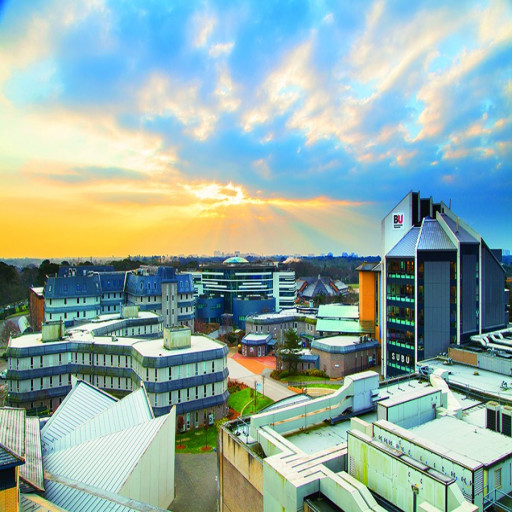
Photos of university / #unibirmingham
Environmental and Natural Resource Economics at the University of Birmingham offers students the opportunity to explore the complex interplay between economic systems and natural resources, equipping them with the analytical skills necessary to address pressing environmental challenges. This multidisciplinary programme combines principles of economics, environmental science, and policy analysis to develop a comprehensive understanding of how economic activities impact the environment and how sustainable solutions can be implemented. Throughout the course, students will examine topics such as market failure, environmental valuation, resource management, climate change economics, and policy design, gaining insights into both theoretical frameworks and practical applications. The programme is designed to foster critical thinking and problem-solving skills, enabling graduates to contribute effectively to environmental policymaking, consultancy, research, or further academic study. With a strong emphasis on empirical methods and real-world case studies, students will learn to analyze environmental data, assess the economic implications of environmental policies, and propose strategies for sustainable development. The curriculum is supported by expert faculty members renowned for their research and expertise in environmental and resource economics. Students also benefit from opportunities to engage with industry professionals through guest lectures, internships, and collaborative projects, providing valuable industry connections and practical experience. The university’s excellent facilities and resources, including access to the latest analytical tools and research databases, support a rich learning environment. Upon graduation, students will be well-equipped to tackle global environmental challenges, working towards sustainable solutions in government agencies, international organizations, non-governmental organizations, or private-sector companies. This programme is ideal for individuals passionate about applying economic principles to promote environmental sustainability and resource conservation.
The Environmental and Natural Resource Economics degree program at the University of Birmingham offers students a comprehensive understanding of the economic principles and analytical tools necessary to address pressing environmental challenges. This program is designed to equip students with the knowledge to analyze the economic causes and consequences of environmental issues, as well as to develop sustainable solutions that balance economic growth with environmental preservation. Throughout the course, students explore a broad range of topics, including the economics of natural resources, environmental policy, climate change economics, and the valuation of environmental goods and services. The curriculum combines rigorous economic theory with practical applications, ensuring that graduates are well-prepared for careers in environmental consultancy, policy development, research, or further academic study.
Students will gain critical skills in quantitative analysis, data interpretation, and policy evaluation, alongside an understanding of international environmental agreements and the role of economic incentives in promoting sustainable practices. The program emphasizes research-led teaching, meaning students engage with current environmental issues and benefit from the expertise of leading academics in the field. Opportunities for fieldwork, project work, and internships are integrated into the course to foster real-world experience and professional development. The program also covers the ethical and social dimensions of environmental economics, encouraging students to consider broader societal impacts and equity concerns. Graduates of the program will be equipped not only with theoretical knowledge but also with practical skills to contribute to the development and implementation of effective environmental and resource management policies at local, national, and global levels.
Degree Program Requirements: Environmental and Natural Resource Economics at the University of Birmingham
To undertake the Environmental and Natural Resource Economics program at the University of Birmingham, students are required to meet certain entry criteria, including academic qualifications such as A-levels, International Baccalaureate, or equivalent, with a strong emphasis on mathematics and economics. Applicants must demonstrate proficiency in quantitative skills, analytical thinking, and a keen interest in environmental issues and resource management. Prior knowledge of basic economics and mathematics is highly recommended to ensure students are prepared for the rigorous coursework.
The program structure consists of core modules, optional modules, and a dissertation. Core modules typically include Principles of Economics, Environmental Economics, Natural Resources Economics, and Quantitative Methods for Economics. These modules aim to provide students with a solid foundation in economic theory, statistical analysis, and the specific economic issues related to the environment and natural resources. Optional modules offer opportunities to delve deeper into specialized topics such as Climate Change Economics, Sustainable Development, and Environmental Policy.
Assessments are usually conducted through a combination of coursework, written examinations, and presentations. Students are expected to complete assignments that develop their ability to analyze real-world environmental issues using economic tools. The program encourages practical application of knowledge through case studies, group projects, and research assignments.
To complete the degree, students must undertake a dissertation which involves original research on an environmental or natural resource economic issue, guided by academic supervisors. This project enables students to demonstrate their ability to apply theoretical knowledge to practical problems, develop research skills, and contribute to ongoing debates in the field.
In addition to academic prerequisites, the university emphasizes transferable skills development, including communication, teamwork, data analysis, and problem-solving. These skills are integrated throughout the curriculum to prepare students for careers in academia, government, consultancy, environmental organizations, and international agencies.
Graduates of the Environmental and Natural Resource Economics program are expected to have a comprehensive understanding of environmental issues, economic principles, and policy instruments necessary for sustainable management of natural resources. They will be equipped with quantitative and qualitative tools to analyze and inform decision-making processes related to environmental conservation, resource allocation, and economic development.
Students are also encouraged to participate in seminars, workshops, and internships offered by the university and associated organizations to enhance their practical experience and employability. The program emphasizes staying current with global environmental challenges and policy developments through continuous engagement with academic research and industry practices.
Overall, entering this program requires a combination of strong academic credentials, relevant skills, and a commitment to understanding and solving complex environmental and resource management issues. The university provides a rigorous, supportive learning environment designed to foster critical thinking, research excellence, and professional growth in the field of Environmental and Natural Resource Economics.
The University of Birmingham offers various financing options for students enrolled in the Environmental and Natural Resource Economics program. Tuition fees vary depending on the student's residency status, with home students (UK/EU) paying approximately £9,250 per year for undergraduate programs. International students can expect higher fees, typically around £20,000 to £25,000 per year. The university provides a range of scholarships and bursaries to help offset the costs. For example, the Birmingham Achievement Scholarship offers full or partial fee waivers for eligible students based on academic performance and financial need. Additionally, scholarships specific to environmental sciences and economics may be available for high-achieving applicants.
Students are encouraged to apply for government-sponsored student loans, such as the UK student loan system for UK residents, which can cover tuition fees and provide maintenance loans for living expenses. The university’s financial aid office offers guidance on applying for these loans and grants. For international students, financial support is more limited; however, some external organizations and charitable foundations offer grants and scholarships designed to assist international students in funding their studies.
Part-time work opportunities are available on-campus and off-campus, allowing students to supplement their income during their studies. The university also has a dedicated career service that provides advice on internships and placements, which can sometimes be paid and help students gain practical experience while supporting their financial needs. Additionally, some students choose to participate in university-sponsored work schemes or research projects that offer stipends or honoraria.
For postgraduate students, funding options include Research Council grants, university scholarships, and external research funding. It is recommended that prospective students contact the university’s financial aid office early in the application process to explore all available options and ensure that they meet the eligibility criteria for various funding schemes. The university aims to make higher education accessible by providing comprehensive financial support and guidance to help students focus on their studies in Environmental and Natural Resource Economics without undue financial stress.
The Environmental and Natural Resource Economics programme at the University of Birmingham offers students a comprehensive understanding of the economic principles and policies applied to environmental and natural resource management. This course is designed for individuals interested in addressing global environmental challenges through economic analysis, policy development, and sustainable resource utilization. Students will explore topics such as market failure, environmental valuation, resource management, and the economics of climate change, gaining both theoretical knowledge and practical skills. The programme emphasizes the importance of interdisciplinary approaches, integrating insights from economics, environmental science, and policy studies to prepare graduates for careers in government agencies, international organizations, environmental consultancy, and research institutions.
Throughout the course, students engage with real-world case studies and policy issues, developing analytical abilities and decision-making skills needed to promote sustainable development. The curriculum includes modules on environmental economics, resource economics, climate change economics, and environmental policy, as well as opportunities for research projects and internships. The programme is suitable for students with backgrounds in economics, environmental science, or related fields, and aims to produce graduates capable of contributing to the formulation and evaluation of policies that balance economic development with environmental sustainability. The University of Birmingham provides excellent research facilities, experienced academics, and opportunities for networking within the environmental community, enhancing the student learning experience and employability. Upon completion of this programme, graduates will be well-equipped to pursue careers in academic research, policy analysis, environmental consultancy, or further postgraduate study both within the UK and internationally.




 Currency
 EUR
EUR GBP
GBP KZT
KZT INR
INR RUB
RUB