A big molecule (macromolecule) made up of numerous repeating subunits is known as a polymer. Both synthetic and natural polymers play significant and...
A big molecule (macromolecule) made up of numerous repeating subunits is known as a polymer. Both synthetic and natural polymers play significant and pervasive roles in daily life as a result of their wide range of features.
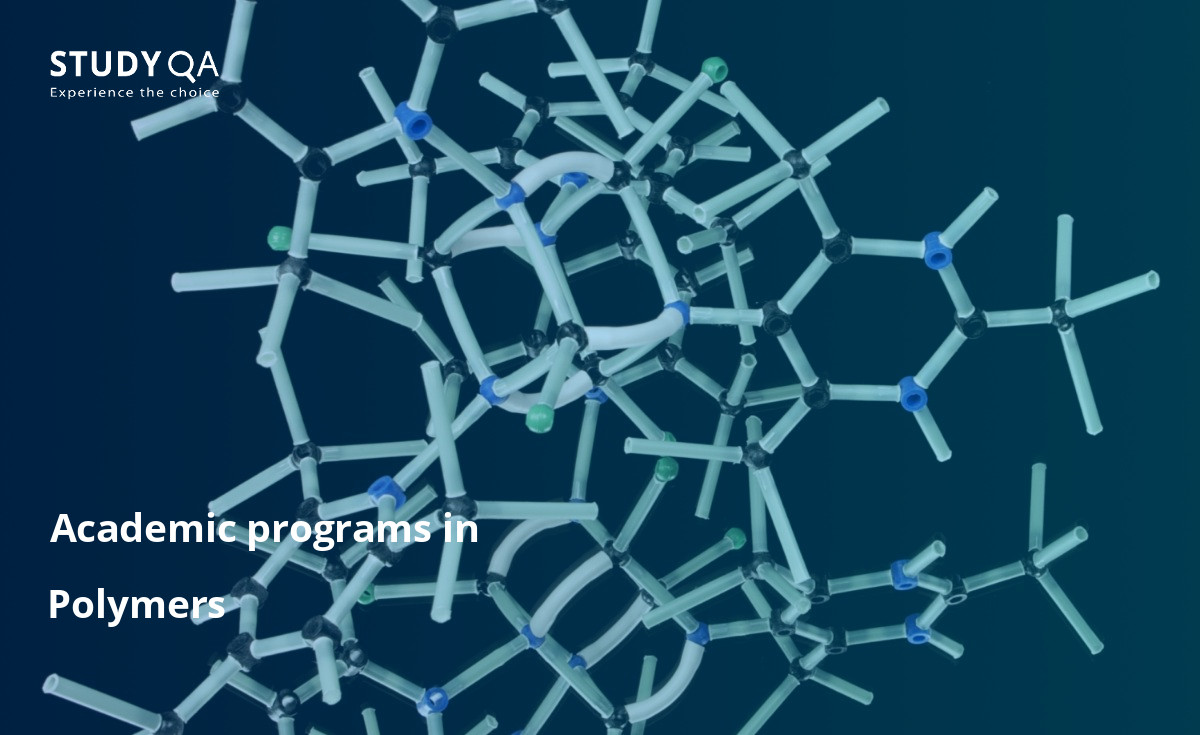
Polymer Engineering
We are surrounded by many objects and structures built of various polymer products in the twenty-first century, including plastic, molded materials, synthetic fibers, rubbers, etc. All of these polymer products are being used more and more often. As demand for eco-friendly and recyclable plastic increases, so does the need for proper polymer product management. Polymer engineers handle this work. To create new goods, they apply the principles of plant design, process design, thermodynamics, and transport phenomena.
Recently, numerous petrochemical and polymer industries both domestically and overseas have begun to operate. As a result, Chemical Engineering and Polymer Engineering have grown significantly in importance as viable career options. Major polymers, various polymer architectures, relationships between their properties, and uses are all covered in this topic.
A wide concept, polymer engineering has applications in a variety of fields, including petrochemical, packaging, sports, pharmaceutical, perfume & preservative, and plastic materials. The future is likely to see more growth in this area of engineering. Candidates who possess the appropriate education and other talents might choose this vocation.
Education Needed to Work in Polymer Engineering
The entry-level requirement for this sector is a bachelor's degree in polymer engineering, materials engineering, or chemical engineering.
A Master's degree and a doctoral degree will be the prerequisite education for those who desire to enter academia.
In the US and several nations in Europe, state licenses could be necessary.
Course Materials
The principles included in the topic of polymer engineering include: elasticity, hydrostatics, fluid mechanics, and mechanics of deformable bodies; Physical, Inorganic, and Organic Chemistry; Physics of Solids, Liquids, and Gases;
Studies on ceramics and thermodynamics, polymer chemistry, electronics, computer programming software, environmental studies, materials science and engineering, and more.
Polymer engineering bachelor's degree
You can use the knowledge you get from the polymer engineering bachelor's degree program to use plastics to make the world a better place. The curriculum offers a solid foundation in the natural sciences, math, and engineering. You'll gain expertise in polymer processing, materials science, product design, sustainable product development, recycling, and the circular economy as a result of the curriculum's design.
Major subjects include:
Processing: Lab-based extrusion technique and injection molding
Design: Producing simulation tools and plastic component construction
Learning how to characterize materials in terms of their mechanical, thermal, and optical properties will help you test materials.
Utilize plastic waste sustainably through recycling.
Chemistry: Expand your knowledge of the synthesis and structure of plastic molecules.
Focus on fundamental knowledge of electrical engineering, mechanics, and mechanical engineering in mechanical engineering and mechatronics.
Natural science foundations: a close examination of mathematics and programming.
Specialize on the area that most interests you, according to your bachelor's thesis.
Study programs (18)



Student Accommodation

 11 place
StudyQA ranking:
16515 pts.
No. Students:
14700
Frgn. Students:
4900
No. Staff:
7000
Languages:
English
Phone:
+4402075895111
Fax:
+4402078237685
11 place
StudyQA ranking:
16515 pts.
No. Students:
14700
Frgn. Students:
4900
No. Staff:
7000
Languages:
English
Phone:
+4402075895111
Fax:
+4402078237685
 1 place
StudyQA ranking:
12347 pts.
No. Students:
22348
Frgn. Students:
5655
No. Staff:
12510
Languages:
English
Phone:
+441865270000
Fax:
+441865270708
51 place
StudyQA ranking:
6314 pts.
No. Students:
34470
Frgn. Students:
12277
No. Staff:
4626
Languages:
English
Phone:
+4401613066000
Fax:
+4401612752058
160 place
StudyQA ranking:
5920 pts.
No. Students:
33585
No. Staff:
8000
Languages:
English
Phone:
+4401132431751
Fax:
+4401133433932
401–500 place
StudyQA ranking:
5736 pts.
No. Students:
22349
No. Staff:
5100
Languages:
Norwegian (nynorsk), English
Phone:
+4773595000
Fax:
+4773595310
1 place
StudyQA ranking:
12347 pts.
No. Students:
22348
Frgn. Students:
5655
No. Staff:
12510
Languages:
English
Phone:
+441865270000
Fax:
+441865270708
51 place
StudyQA ranking:
6314 pts.
No. Students:
34470
Frgn. Students:
12277
No. Staff:
4626
Languages:
English
Phone:
+4401613066000
Fax:
+4401612752058
160 place
StudyQA ranking:
5920 pts.
No. Students:
33585
No. Staff:
8000
Languages:
English
Phone:
+4401132431751
Fax:
+4401133433932
401–500 place
StudyQA ranking:
5736 pts.
No. Students:
22349
No. Staff:
5100
Languages:
Norwegian (nynorsk), English
Phone:
+4773595000
Fax:
+4773595310
 152 place
StudyQA ranking:
3698 pts.
No. Students:
49785
Frgn. Students:
6000
Languages:
English
Phone:
+13523923261
152 place
StudyQA ranking:
3698 pts.
No. Students:
49785
Frgn. Students:
6000
Languages:
English
Phone:
+13523923261
 1001+ place
StudyQA ranking:
2700 pts.
Languages:
English
Phone:
+421257274111
1001+ place
StudyQA ranking:
2700 pts.
Languages:
English
Phone:
+421257274111

 601–800 place
StudyQA ranking:
2026 pts.
No. Students:
43389
No. Staff:
21608
Languages:
English
Phone:
+16082621234
Fax:
+16082620123
601–800 place
StudyQA ranking:
2026 pts.
No. Students:
43389
No. Staff:
21608
Languages:
English
Phone:
+16082621234
Fax:
+16082620123
 Currency
 EUR
EUR GBP
GBP KZT
KZT INR
INR RUB
RUB