A medical speciality known as intensive care medicine, often known as critical care medicine, treats seriously or critically ill patients who have, a...
A medical speciality known as intensive care medicine, often known as critical care medicine, treats seriously or critically ill patients who have, are at risk of having, or are recovering from illnesses that could be life-threatening. It entails giving life support, using intrusive monitoring methods, performing CPR, and providing end-of-life care. Doctors in this field are frequently referred to as intensivists, critical care physicians, or intensive care physicians.
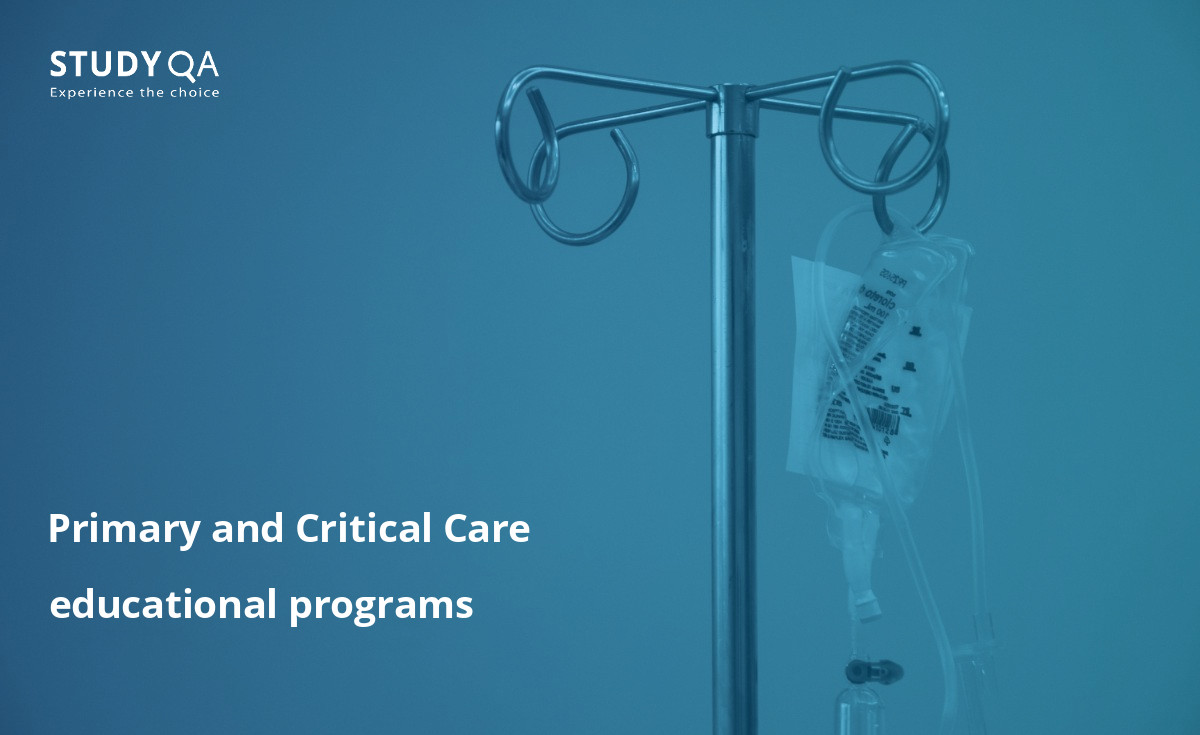
Multidisciplinary teams made up of numerous different medical specialists are essential to intensive care. These teams frequently consist of medical professionals such as doctors, nurses, physical therapists, respiratory therapists, and pharmacists. In hospital intensive care units, they frequently collaborate.
More specialized patient care is needed for ICU patients, which has resulted in the utilization of a multidisciplinary team to care for patients. Intensive care unit staffing by nation, hospital, department, or organization.
Medicine
The field of medicine known as critical care is becoming more and more significant. Intensivists are the name given to medical professionals with training in critical care medicine.
The majority of medical studies has shown that intensivist-led ICU care results in better outcomes and more economical treatment. The main guideline is that a specialized intensivist who is solely in charge of the patients in one ICU manage or co-manage all ICU patients.
Nursing
The majority of nurses that work in critical care settings are registered nurses. Critical care medicine is a field of study that nurses can pursue.
Medical assistants and nurse practitioners
Other non-physicians who care for patients in ICUs include nurse practitioners and physician assistants. These healthcare professionals get less formal schooling, often gain further clinical training on the job, and collaborate with other team members while being supervised by doctors.
Pharmacists
Among the many ways that critical care pharmacists collaborate with the medical team are monitoring serum medication concentrations, past and present medication use, and medication allergies. Although it may vary depending on the institution, they normally round with the team. Some pharmacists may pursue extra training in a postgraduate residency and earn certification as critical care pharmacists after receiving their doctorate in pharmacy. All elements of medication therapy are managed by pharmacists, who can even pursue extra credentials in critical care medicine. The presence of pharmacists improves patient outcomes and reduces adverse medication responses.
Critical care training in the USA
In the USA, medical school is the first step in the training process after completing bachelor or graduate degrees. American medical schools typically last four years, while some will accept students after three years if they also complete a specialized program in college. Graduates of medical schools select their intended specialization after graduation and look for training positions through the formal match process.
Every specialty has a cap on the number of training positions that can be filled, and candidates are chosen for these positions based on a merit system that considers medical school grades, performance on standardized tests, letters of recommendation from consultants, and specific program preferences. To practice pulmonary medicine, one must first finish a three-year internal medicine residency, with the first year being referred to as an internship. One can qualify for a subspecialty fellowship program after completing residency, which offers two to three years of advanced clinical training.
Programs for pulmonary disease last two years and mostly consist of clinical training. The duration of combined training programs is three years, and the quantity of clinical training varies depending on the facility. Clinical training must last at least 18 months. The final 18 months of many academic programs are dedicated to conducting research. Though many programs aim to maximize clinical training, the time spent on research can vary. There is no set amount of time that must be solely dedicated to academic pursuits.
Study programs (50)

Student Accommodation
 1 place
StudyQA ranking:
12347 pts.
No. Students:
22348
Frgn. Students:
5655
No. Staff:
12510
Languages:
English
Phone:
+441865270000
Fax:
+441865270708
1 place
StudyQA ranking:
12347 pts.
No. Students:
22348
Frgn. Students:
5655
No. Staff:
12510
Languages:
English
Phone:
+441865270000
Fax:
+441865270708
 6 place
StudyQA ranking:
6984 pts.
No. Students:
19515
No. Staff:
9823
Languages:
English
Phone:
+441223337733
Fax:
+441223332332
6 place
StudyQA ranking:
6984 pts.
No. Students:
19515
No. Staff:
9823
Languages:
English
Phone:
+441223337733
Fax:
+441223332332

 51 place
StudyQA ranking:
6314 pts.
No. Students:
34470
Frgn. Students:
12277
No. Staff:
4626
Languages:
English
Phone:
+4401613066000
Fax:
+4401612752058
51 place
StudyQA ranking:
6314 pts.
No. Students:
34470
Frgn. Students:
12277
No. Staff:
4626
Languages:
English
Phone:
+4401613066000
Fax:
+4401612752058
 92 place
StudyQA ranking:
5458 pts.
No. Students:
26815
No. Staff:
2942
Languages:
English
Phone:
+4401413302000
92 place
StudyQA ranking:
5458 pts.
No. Students:
26815
No. Staff:
2942
Languages:
English
Phone:
+4401413302000
 191 place
StudyQA ranking:
5015 pts.
No. Students:
30180
No. Staff:
5230
Languages:
English
Phone:
+4402920874000
191 place
StudyQA ranking:
5015 pts.
No. Students:
30180
No. Staff:
5230
Languages:
English
Phone:
+4402920874000
 501–600 place
StudyQA ranking:
4919 pts.
No. Students:
219410
No. Staff:
895
Languages:
English
Phone:
+4402078628000
501–600 place
StudyQA ranking:
4919 pts.
No. Students:
219410
No. Staff:
895
Languages:
English
Phone:
+4402078628000
 30 place
StudyQA ranking:
4679 pts.
No. Students:
35258
Frgn. Students:
10312
No. Staff:
5097
Languages:
English
Phone:
+4401316501000
30 place
StudyQA ranking:
4679 pts.
No. Students:
35258
Frgn. Students:
10312
No. Staff:
5097
Languages:
English
Phone:
+4401316501000
 35 place
StudyQA ranking:
4597 pts.
No. Students:
25797
No. Staff:
6113
Languages:
English
Phone:
+4402078365454
35 place
StudyQA ranking:
4597 pts.
No. Students:
25797
No. Staff:
6113
Languages:
English
Phone:
+4402078365454
 64 place
StudyQA ranking:
3883 pts.
No. Students:
67076
Frgn. Students:
23981
No. Staff:
15695
Languages:
English
Phone:
+61399026000
Fax:
+61399054007
64 place
StudyQA ranking:
3883 pts.
No. Students:
67076
Frgn. Students:
23981
No. Staff:
15695
Languages:
English
Phone:
+61399026000
Fax:
+61399054007

 Currency
 EUR
EUR GBP
GBP KZT
KZT INR
INR RUB
RUB