Globalization, according to sociologists, is an ongoing process that involves interconnected changes in the economic, cultural, social, and political...
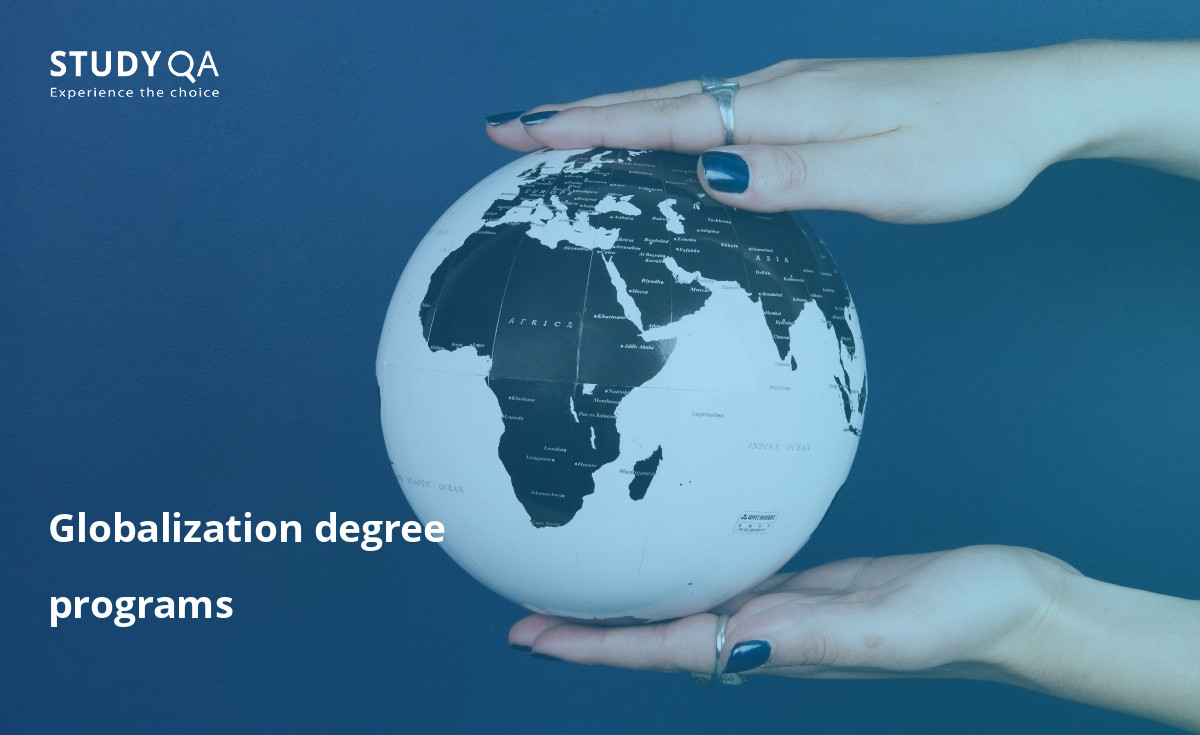
Globalization, according to sociologists, is an ongoing process that involves interconnected changes in the economic, cultural, social, and political spheres of society. As a process, it involves the ever-increasing integration of these aspects between nations, regions, communities, and even isolated places.
Do this degree suits you?
Do you want to understand the opportunities and challenges posed by globalization for the development of countries? Are you interested in individuals and communities, as well as in the broader relations between the Global North and South? Do you have the ambition to develop your academic research skills and use academic insights to make a positive impact in the world? If so, this may be the right program for you.
A social science program called globalization focuses on how the processes of globalization impact developing regions. You will acquire the theoretical, analytical, and practical abilities required for a career in globalization and development, whether it be academic or professional.
What you will study?
In this course, major ideas in global studies and international relations are introduced. You will interrogate and evaluate the political implications of different approaches for the study of key aspects of our contemporary world. It will give you the means to think critically about crucial world issues and ask, and answer, fundamental questions about our globalized experience.
You will study key global issues and challenges, past, and present, including migration, human rights, racism and imperialism, development, the West and the Middle East, decolonization, and environmental sustainability, all in an international context. Students will learn the most recent information on subjects like international trade, growth and development economics, the theory of banking, and global capital flows. They will then apply the theories to problems in the real world. After graduating, students will apply this knowledge in various contexts and understand how the knowledge areas are interconnected.
Bachelor's and Master's degree programs aim to train students in economic analysis and decision-making in national and international organizations, such as multinationals, financial institutions, consultancy firms and government agencies, and policy advisory agencies.
Job prospects
After completing this program you are a broadly oriented globalist with a strong international profile. You are ready for an international career at multinational firms, financial institutions, consultancy, and public organizations. Jobs such as market analyst, trade expert, global strategy, journalism, politics, publishing, teaching, NGO and charity work, business, or academia and policy adviser will suit you well.
Study programs (17)




Student Accommodation

 59 place
StudyQA ranking:
7347 pts.
No. Students:
20934
Frgn. Students:
5566
No. Staff:
3958
Languages:
English
Phone:
+61261255111
Fax:
+61261250751
59 place
StudyQA ranking:
7347 pts.
No. Students:
20934
Frgn. Students:
5566
No. Staff:
3958
Languages:
English
Phone:
+61261255111
Fax:
+61261250751
 401–500 place
StudyQA ranking:
5736 pts.
No. Students:
22349
No. Staff:
5100
Languages:
Norwegian (nynorsk), English
Phone:
+4773595000
Fax:
+4773595310
401–500 place
StudyQA ranking:
5736 pts.
No. Students:
22349
No. Staff:
5100
Languages:
Norwegian (nynorsk), English
Phone:
+4773595000
Fax:
+4773595310
 27 place
StudyQA ranking:
5703 pts.
No. Students:
10600
Frgn. Students:
9600
No. Staff:
3300
Languages:
English
Phone:
+4402074057686
Fax:
+442079556001
27 place
StudyQA ranking:
5703 pts.
No. Students:
10600
Frgn. Students:
9600
No. Staff:
3300
Languages:
English
Phone:
+4402074057686
Fax:
+442079556001
 191 place
StudyQA ranking:
5015 pts.
No. Students:
30180
No. Staff:
5230
Languages:
English
Phone:
+4402920874000
191 place
StudyQA ranking:
5015 pts.
No. Students:
30180
No. Staff:
5230
Languages:
English
Phone:
+4402920874000
 121 place
StudyQA ranking:
4860 pts.
No. Students:
16000
Frgn. Students:
7500
No. Staff:
1814
Languages:
Dutch, English
Phone:
+31433885388
201–250 place
StudyQA ranking:
2938 pts.
No. Students:
15155
Frgn. Students:
3788
Languages:
English
Phone:
+4401225388388
121 place
StudyQA ranking:
4860 pts.
No. Students:
16000
Frgn. Students:
7500
No. Staff:
1814
Languages:
Dutch, English
Phone:
+31433885388
201–250 place
StudyQA ranking:
2938 pts.
No. Students:
15155
Frgn. Students:
3788
Languages:
English
Phone:
+4401225388388


 Currency
 EUR
EUR GBP
GBP KZT
KZT INR
INR RUB
RUB