Hydro engineers are essential professionals who help capture and distribute hydropower to local areas. Many professionals pursue this type of career...
Hydro engineers are essential professionals who help capture and distribute hydropower to local areas. Many professionals pursue this type of career to make a lasting impression on the energy industry and often want to help reduce the environmental effects experienced by other electrical power sources.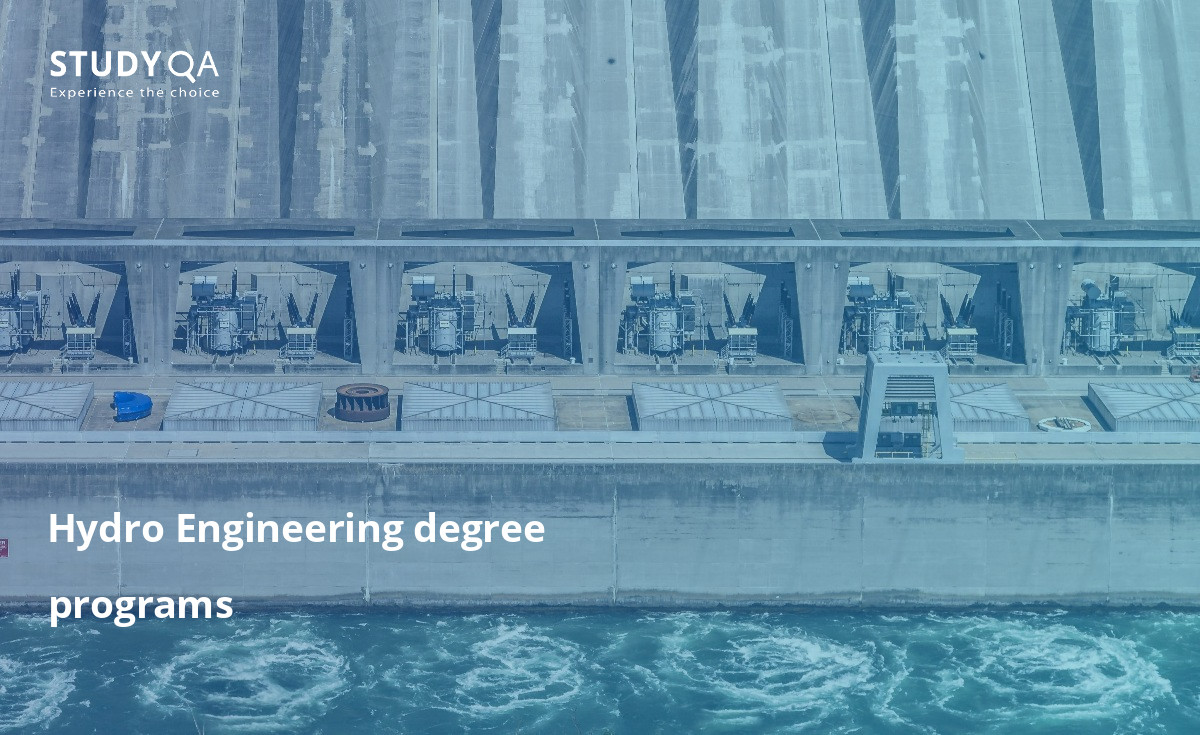
Program Description
Hydro Engineering is the engineering science that manages and controls hydro-power resources using engineering or non-engineering techniques based on the study of the natural characteristics of the water. The technical domains of hydrology, hydraulics, water resources engineering, and environmental fluid dynamics are the emphasis of hydro engineering . Hydro Engineering is chiefly concerned with the flow and storage of water. Hydrological engineering also focuses on preventing floods and lessening the effects of floods, droughts, and other natural disasters.
Hydro Engineering, belonging to the water conservancy project, is the discipline that studies the major technological problems directly related to hydropower engineering safety, progress, and investment in the surveying, design, construction, and operation management of water conservancy and hydropower engineering, such as high dam design theory and method, high dam construction technique, high and steep slope reinforcement physical simulation, new technology of hydraulic structure monitoring (especially the technology of optical fiber monitoring and CT), dynamic interaction of hydraulic structure foundation and the base seismic wave input research, dynamic coupling research of dam and reservoir water, the strength of the earthquake damage mechanism research, material properties, multi-axial high-performance concrete dam, earthquake, and random dam research on the reliability of hydraulic structure and seismic analysis, etc.
Levels of study
Hydro engineering can be studied at the bachelor, master, and PhD levels.
Bachelor of Science in Hydro Engineering is a 4-year undergraduate degree. Bachelor's degree programs in hydro engineering may include courses in hydrology and hydraulic engineering that teach students about the issues associated with designing around groundwater, fractured soil, dams, and spillways. Some programs may offer a concentration specifically in fluid mechanics and hydraulic engineering. Students often take part in hands-on lab work and are required to complete an internship or work experience. Students learn to draft water redistribution systems, design hydraulic systems, control pollution, and mitigate environmental damage. Because this field is based on the practical application of learned skills, programs have internship opportunities and involve an important amount of lab work. Applicants are expected to have completed high school.
Students interested in learning about hydraulic engineering at the graduate level can consider earning a master's degree in hydro engineering. These 2-year programs are available in thesis and non-thesis formats, though non-thesis programs may require students to complete a research or design project instead. Applicants are often required to hold a bachelor's degree in engineering or a related field.
PhD gives students the knowledge in design and calculation justification of hydraulic structures, building structures, mechanical equipment, equipment for hydroelectric power plants, nuclear power plants, and pipelines. Substantiation of the strength and reliability of dams, hydroelectric units of HPPs, together with equipment for static, thermal, and dynamic loads. A master's degree in a related specialty is required.
The best choice
According to the rating of the Best universities of QS, one of the best universities hosting programs for the study of hydropower are Oxford University, Delft University of Technology, and Imperial College London. All these universities offer very high-quality education, as well as guaranteed employment. Excellent students are provided with scholarships and other types of funding.
Future career
This study program allows students to pursue work as hydrological engineers and hydrologists upon program completion. According to the U.S. Bureau of Labor Statistics (BLS), the most popular industries for hydrologists in 2018 included architectural, engineering, and related services and federal, state, and local government.
Study programs (43)





Student Accommodation

 11 place
StudyQA ranking:
16515 pts.
No. Students:
14700
Frgn. Students:
4900
No. Staff:
7000
Languages:
English
Phone:
+4402075895111
Fax:
+4402078237685
11 place
StudyQA ranking:
16515 pts.
No. Students:
14700
Frgn. Students:
4900
No. Staff:
7000
Languages:
English
Phone:
+4402075895111
Fax:
+4402078237685
 201–250 place
StudyQA ranking:
13466 pts.
No. Students:
18993
Languages:
Danish, English
Phone:
+4599409940
201–250 place
StudyQA ranking:
13466 pts.
No. Students:
18993
Languages:
Danish, English
Phone:
+4599409940
 601–800 place
StudyQA ranking:
7483 pts.
No. Students:
18945
Languages:
English
Phone:
+4402083318000
601–800 place
StudyQA ranking:
7483 pts.
No. Students:
18945
Languages:
English
Phone:
+4402083318000
 59 place
StudyQA ranking:
7347 pts.
No. Students:
20934
Frgn. Students:
5566
No. Staff:
3958
Languages:
English
Phone:
+61261255111
Fax:
+61261250751
59 place
StudyQA ranking:
7347 pts.
No. Students:
20934
Frgn. Students:
5566
No. Staff:
3958
Languages:
English
Phone:
+61261255111
Fax:
+61261250751
 51 place
StudyQA ranking:
6314 pts.
No. Students:
34470
Frgn. Students:
12277
No. Staff:
4626
Languages:
English
Phone:
+4401613066000
Fax:
+4401612752058
51 place
StudyQA ranking:
6314 pts.
No. Students:
34470
Frgn. Students:
12277
No. Staff:
4626
Languages:
English
Phone:
+4401613066000
Fax:
+4401612752058
 160 place
StudyQA ranking:
5920 pts.
No. Students:
33585
No. Staff:
8000
Languages:
English
Phone:
+4401132431751
Fax:
+4401133433932
160 place
StudyQA ranking:
5920 pts.
No. Students:
33585
No. Staff:
8000
Languages:
English
Phone:
+4401132431751
Fax:
+4401133433932

 78 place
StudyQA ranking:
3996 pts.
No. Students:
19000
No. Staff:
3375
Languages:
Dutch, English
Phone:
+31152789111
152 place
StudyQA ranking:
3698 pts.
No. Students:
49785
Frgn. Students:
6000
Languages:
English
Phone:
+13523923261
78 place
StudyQA ranking:
3996 pts.
No. Students:
19000
No. Staff:
3375
Languages:
Dutch, English
Phone:
+31152789111
152 place
StudyQA ranking:
3698 pts.
No. Students:
49785
Frgn. Students:
6000
Languages:
English
Phone:
+13523923261





 Currency
 EUR
EUR GBP
GBP KZT
KZT INR
INR RUB
RUB