 14 Master programs in 2 languages in Italy in Building
Discover how higher education programs in Italy are being developed to provide students with a well-rounded education that combines theory with practical experience through partnerships with businesses. Learn about the focus on internationalization, innovation, and creativity in this article.
Italy has a long-standing history of providing quality education to its citizens. The country is renowned for its rich cultural heritage and boasts o...
Italy has a long-standing history of providing quality education to its citizens. The country is renowned for its rich cultural heritage and boasts of some of the oldest universities in the world, such as the University of Bologna, established in 1088. In recent years, there has been a push to enhance higher education in Italy by developing study programs that cater to the needs of students. This is being achieved through partnerships between universities and businesses, which are aimed at creating courses that are relevant to the job market.
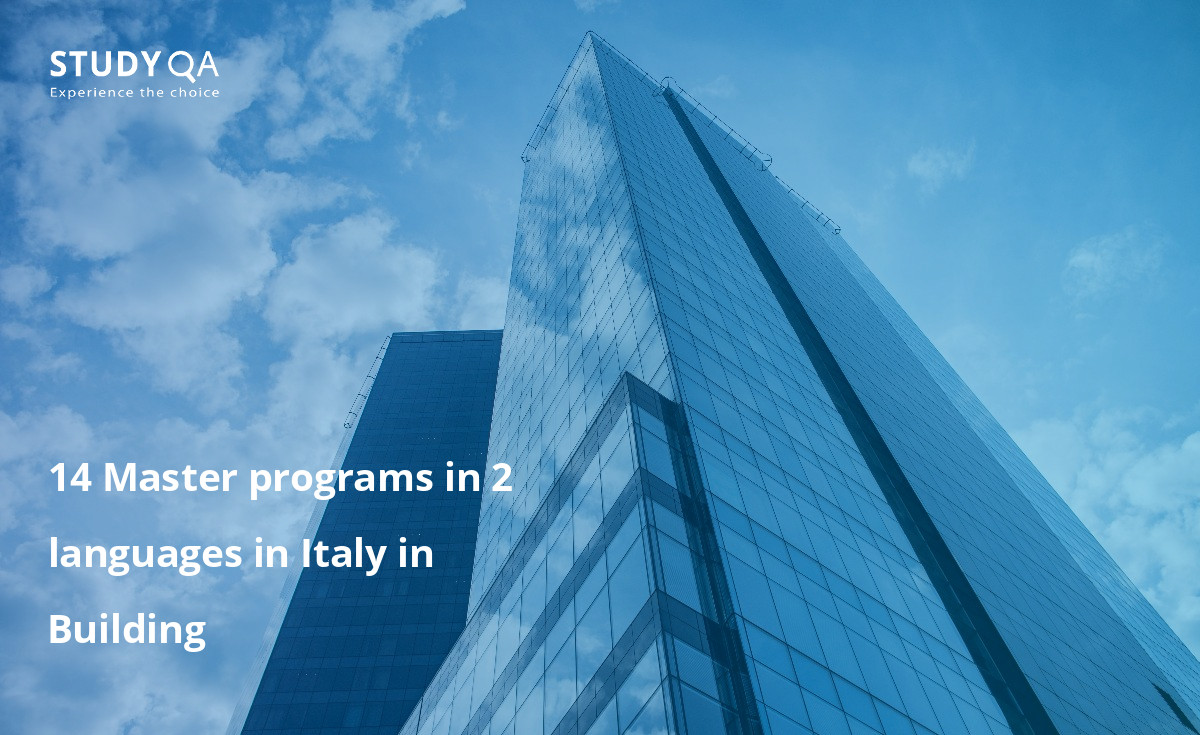
One of the main objectives of these programs is to provide students with a well-rounded education, which combines theory with practical experience. This approach is aimed at ensuring that students are prepared for the challenges of the job market and are equipped with the necessary skills to succeed in their chosen careers. It is also intended to bridge the gap between the academic world and the business world, which is becoming increasingly important in today's globalized economy.
In order to achieve this goal, universities are partnering with businesses and organizations in various industries. This allows students to gain practical experience by working on projects that are relevant to their fields of study. For example, engineering students might be involved in designing and building prototypes, while business students might be involved in marketing campaigns. These partnerships are also beneficial for businesses, as they provide a pool of skilled and motivated workers who can contribute to the development of their companies.
Another aspect of building higher education study programs in Italy is to promote internationalization. This is being achieved through the creation of courses that are taught in English, which attract students from around the world. This international exposure provides students with the opportunity to learn about different cultures and broaden their horizons. Furthermore, it also benefits the country as a whole, as it helps to create a more cosmopolitan society and promotes a more open and inclusive approach to education.
The development of higher education study programs in Italy is also aimed at fostering innovation and creativity. This is achieved by providing students with access to cutting-edge technology and resources that allow them to explore new ideas and approaches. For instance, students in engineering programs might have access to advanced labs, while those in the arts might have access to state-of-the-art studios. This emphasis on innovation is aimed at fostering a culture of creativity and encourages students to think outside of the box.
In conclusion, the development of higher education study programs in Italy is aimed at providing students with a well-rounded education that is relevant to the job market. This is being achieved through partnerships between universities and businesses, which are designed to provide students with practical experience and the opportunity to learn about different cultures. The focus on innovation and creativity is also aimed at fostering a culture of creativity and encouraging students to think outside of the box. These initiatives will not only benefit students, but also help to create a more cosmopolitan and inclusive society, which is well-equipped to meet the challenges of the 21st century.
Study programs (13)


Student Accommodation
 401–500 place
StudyQA ranking:
1530 pts.
No. Students:
46000
No. Staff:
1900
Languages:
Italian, English
Phone:
+390502212111
401–500 place
StudyQA ranking:
1530 pts.
No. Students:
46000
No. Staff:
1900
Languages:
Italian, English
Phone:
+390502212111
 401–500 place
StudyQA ranking:
390 pts.
No. Students:
10177
No. Staff:
302
Languages:
Italian
Phone:
+390805962111
401–500 place
StudyQA ranking:
390 pts.
No. Students:
10177
No. Staff:
302
Languages:
Italian
Phone:
+390805962111
 601–800 place
StudyQA ranking:
15 pts.
No. Students:
48338
No. Staff:
2000
Languages:
Italian, English
Phone:
+3909123893666
601–800 place
StudyQA ranking:
15 pts.
No. Students:
48338
No. Staff:
2000
Languages:
Italian, English
Phone:
+3909123893666
 351–400 place
StudyQA ranking:
14 pts.
No. Students:
42000
No. Staff:
1400
Languages:
Italian
Phone:
+390223991
351–400 place
StudyQA ranking:
14 pts.
No. Students:
42000
No. Staff:
1400
Languages:
Italian
Phone:
+390223991
 501–600 place
StudyQA ranking:
13 pts.
No. Students:
23316
No. Staff:
1075
Languages:
Italian, English
Phone:
+39090676111
Fax:
+39090717762
401–500 place
StudyQA ranking:
12 pts.
No. Students:
34000
Frgn. Students:
2040
No. Staff:
1694
Languages:
Italian
Phone:
+390672593099
Fax:
+39067235980
501–600 place
StudyQA ranking:
13 pts.
No. Students:
23316
No. Staff:
1075
Languages:
Italian, English
Phone:
+39090676111
Fax:
+39090717762
401–500 place
StudyQA ranking:
12 pts.
No. Students:
34000
Frgn. Students:
2040
No. Staff:
1694
Languages:
Italian
Phone:
+390672593099
Fax:
+39067235980
 Currency
 EUR
EUR GBP
GBP KZT
KZT INR
INR RUB
RUB