Wildlife refers to undomesticated animal species, all organisms that grow or live wild in an uninhibited area. It can be found in all ecosystems: des...
Wildlife refers to undomesticated animal species, all organisms that grow or live wild in an uninhibited area. It can be found in all ecosystems: deserts, plains, grasslands, woodlands, forests, and other areas, including the most developed urban areas.
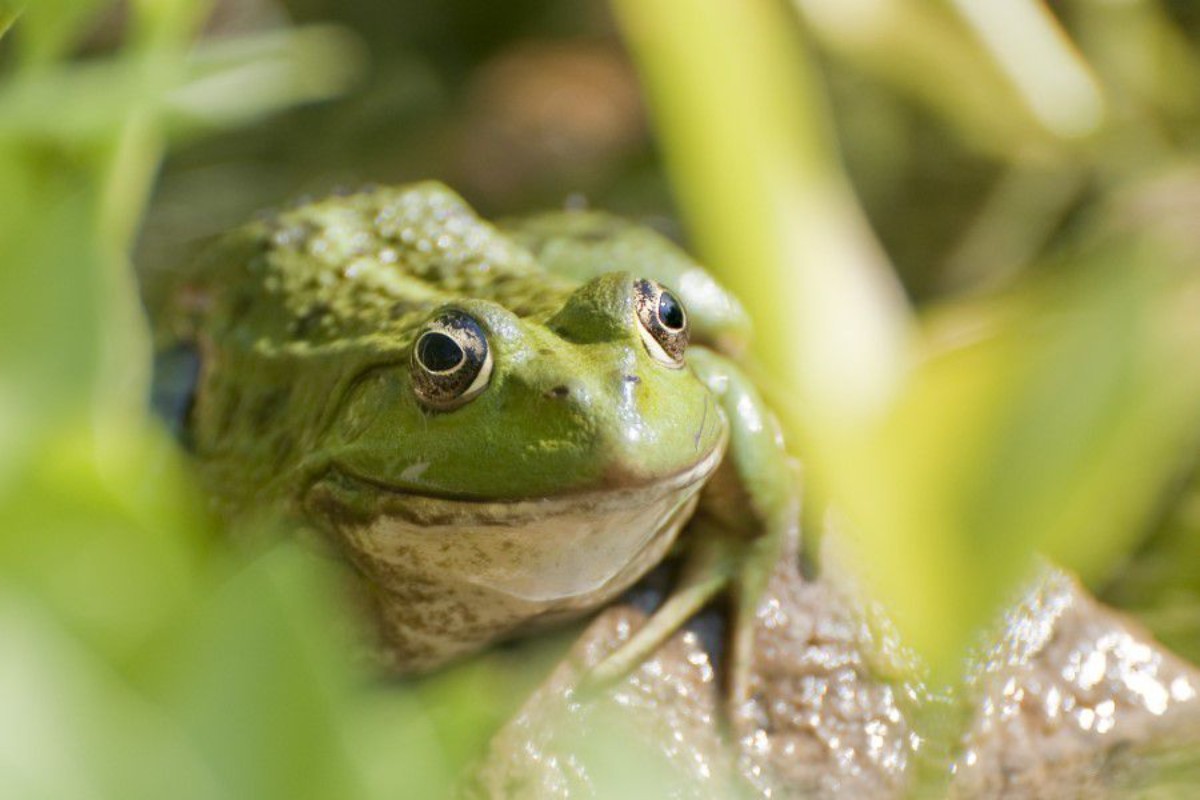
Wildlife study abroad programs include a vast variety of programs that focus on preparation of individuals who will conserve and manage wilderness areas and the flora, marine and aquatic life therein. Apart from it, such specialists may manage wildlife reservations and zoological, aquarium facilities for recreational, commercial, and ecological purposes. In particular, students get acquainted with an introduction to wildlife biology, marine or aquatic biology, environmental science, freshwater and saltwater ecosystems, natural resources management and policy, outdoor recreation and parks management, the design and operation of natural and artificial wildlife habitats, applicable law and regulations, related administrative and communications skills.
Taking into account all the knowledge and practical skills that students get while getting a degree, specialists in the biology of terrestrial or aquatic species may find an application of their knowledge at reserves, zoos, national parks, and the state agencies. Wildlife specialists now work at an interface between living organisms, their environment, and the needs of human populations.
A wildlife degree gives you an opportunity to choose between a vast number of jobs.
For example, you may work as an environmental specialist. They often advise people who make policies related to the natural environment. They also collect environmental samples and analyze them in laboratories, and may inspect natural areas to enforce regulations.
Zookeepers are wildlife professionals who provide care to zoo animals. They ensure the animals receive the right food and medical care. They may train animals, and they often make decisions about what items to include in their enclosures. These professionals can specialize in a certain type of animal or provide care to the entire zoo. Zookeepers often deal with people, meaning that communication skills will come in handy.
Wildlife rehabilitators care for wild animals so they can return to their natural habitats. They assess animals to find injuries or illnesses, often collaborating with veterinarians to provide care. Once an animal is ready to return to the wild, wildlife rehabilitators slowly reintroduce them and monitor their progress. These professionals usually work in zoos or animal rehabilitation centers.
Natural resource technicians are responsible for working with the government to take measures to preserve wildlife and natural environments. They can also be responsible for forest management and monitoring the quality of natural resources in the area. One of their duties is to perform inspections in natural ecosystems.
Wildlife biologists study animals and their ecosystems. They use their knowledge of biology to help preserve wildlife. Often, these professionals travel to a variety of locations to observe animals, and they may work collaboratively with other scientists and wildlife professionals. They collect data and conduct experiments to draw conclusions, and they often present their results to policymakers.
Wildlife study abroad programs are offered all over the world, from the tropical canopies of Central America to the windswept Siberian tundra. Don't be afraid to change your life. Carpe diem.
Study programs (17)





Student Accommodation

 1 place
StudyQA ranking:
12347 pts.
No. Students:
22348
Frgn. Students:
5655
No. Staff:
12510
Languages:
English
Phone:
+441865270000
Fax:
+441865270708
301–350 place
StudyQA ranking:
9539 pts.
Languages:
English
Phone:
+4401206873333
1 place
StudyQA ranking:
12347 pts.
No. Students:
22348
Frgn. Students:
5655
No. Staff:
12510
Languages:
English
Phone:
+441865270000
Fax:
+441865270708
301–350 place
StudyQA ranking:
9539 pts.
Languages:
English
Phone:
+4401206873333
 401–500 place
StudyQA ranking:
9321 pts.
No. Students:
17800
Frgn. Students:
2600
No. Staff:
2000
Languages:
English
Phone:
+4401202524111
Fax:
+4401202962736
601–800 place
StudyQA ranking:
5754 pts.
No. Students:
24146
No. Staff:
1404
Languages:
English
Phone:
+17855326011
401–500 place
StudyQA ranking:
9321 pts.
No. Students:
17800
Frgn. Students:
2600
No. Staff:
2000
Languages:
English
Phone:
+4401202524111
Fax:
+4401202962736
601–800 place
StudyQA ranking:
5754 pts.
No. Students:
24146
No. Staff:
1404
Languages:
English
Phone:
+17855326011
 801–1000 place
StudyQA ranking:
4878 pts.
No. Students:
31508
Frgn. Students:
4085
No. Staff:
4530
Languages:
English
Phone:
+4401142255555
Fax:
+4401142254449
801–1000 place
StudyQA ranking:
4878 pts.
No. Students:
31508
Frgn. Students:
4085
No. Staff:
4530
Languages:
English
Phone:
+4401142255555
Fax:
+4401142254449
 201–250 place
StudyQA ranking:
3434 pts.
No. Students:
20601
Frgn. Students:
2592
No. Staff:
3803
Languages:
English
Phone:
+6434797000
Fax:
+6434798692
201–250 place
StudyQA ranking:
3434 pts.
No. Students:
20601
Frgn. Students:
2592
No. Staff:
3803
Languages:
English
Phone:
+6434797000
Fax:
+6434798692
 401–500 place
StudyQA ranking:
1733 pts.
No. Students:
26670
No. Staff:
3000
Languages:
English
Phone:
+4401179656261
401–500 place
StudyQA ranking:
1733 pts.
No. Students:
26670
No. Staff:
3000
Languages:
English
Phone:
+4401179656261





 Currency
 EUR
EUR GBP
GBP KZT
KZT INR
INR RUB
RUB