Visual communication is a broad field that brings together different disciplines including graphic design, photography, visual arts and animation. St...
Visual communication is a broad field that brings together different disciplines including graphic design, photography, visual arts and animation. Students studying visual communication learn how to convey information through creative mediums such as images, photographs and paintings. Since the rise of the visual communication design profession in the 19th century, it has tried to use the tools provided by technology to ensure the readability of the new lifestyle brought about by the development of technology. Of course, visual communication design relies on technology as a profession. Design is born with technology and serves with technology.
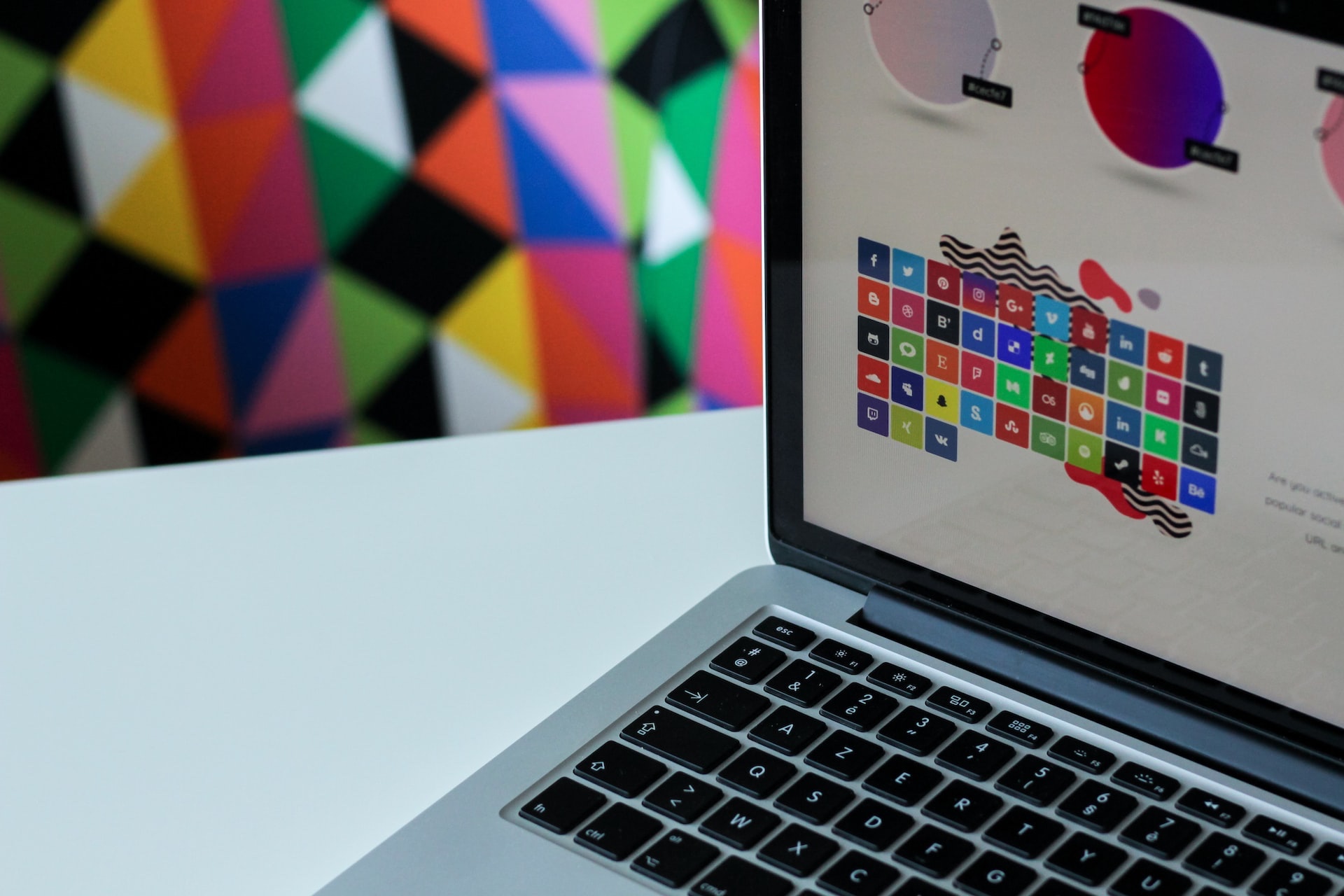
Earning a degree abroad will give you a global perspective on the ever-evolving world of visual communication. You'll see how visual communication methods can be adapted to the needs of culturally diverse audiences and prepare you for success on the international stage. Students experiment with traditional and new design practices and develop a visual language that enables them to work across digital, physical and analog media. This visual language is broad and includes typography, interaction and graphic design. The degree prepares students for the evolving nature of design by engaging with the social, technological and environmental contexts of design practice.
Structure of Visual Communication academic programs
A Bachelor degree in Visual Communication can be studied for three to four years. After completing your bachelor's degree, you can enroll in graduate programs. Master's programs typically require one year of full-time study, while a Master of Fine Arts (MFA) degree can take 18 to 24 months to complete. Doctorates in Visual Communication are available, but these can add several years to your degree.
To provide students with a comprehensive theoretical and practical understanding of the subject, teaching methods typically include lectures, seminars, tutorials, studio-based seminars and computer laboratories.
The wide range of elective modules on the Visual Communication course makes it easy for you to tailor your studies to your interests. However, most universities insist that students study core units in the following areas:
Understanding visual culture
Visual skills
Illustration
Typography
Graphic design
Motion graphics
3D Animation
Design Law
Advertising Film Production
History of visual communication
Digital media
Others
There are many career opportunities in a range of graduate fields such as: digital media, publication designer, graphic designer, interactive media designer, web designer, branding specialist, art director, motion graphic designer, commercial artist, illustrator and Exhibition designer. Graduates will also be equipped with the skills to be writers, researchers, editors and critics, and to apply design thinking to business beyond the design industry. The best countries to study abroad are: Italy, Sweden, the United States, the United Kingdom, and Lithuania.
Study programs (32)



Student Accommodation
 501–600 place
StudyQA ranking:
11645 pts.
No. Students:
27337
Frgn. Students:
5822
No. Staff:
1668
Languages:
English
Phone:
+61746312100
Fax:
+61746312893
501–600 place
StudyQA ranking:
11645 pts.
No. Students:
27337
Frgn. Students:
5822
No. Staff:
1668
Languages:
English
Phone:
+61746312100
Fax:
+61746312893
 501–600 place
StudyQA ranking:
4919 pts.
No. Students:
219410
No. Staff:
895
Languages:
English
Phone:
+4402078628000
13 place
StudyQA ranking:
3715 pts.
No. Students:
24630
Frgn. Students:
4497
No. Staff:
4464
Languages:
English
Phone:
+12158985000
Fax:
+12158989670
501–600 place
StudyQA ranking:
4919 pts.
No. Students:
219410
No. Staff:
895
Languages:
English
Phone:
+4402078628000
13 place
StudyQA ranking:
3715 pts.
No. Students:
24630
Frgn. Students:
4497
No. Staff:
4464
Languages:
English
Phone:
+12158985000
Fax:
+12158989670
 501–600 place
StudyQA ranking:
3128 pts.
Languages:
Turkish
Phone:
+902164839000
501–600 place
StudyQA ranking:
3128 pts.
Languages:
Turkish
Phone:
+902164839000
 351–400 place
StudyQA ranking:
2831 pts.
No. Students:
15590
Frgn. Students:
2623
No. Staff:
3464
Languages:
English
Phone:
+4401509222222
351–400 place
StudyQA ranking:
2831 pts.
No. Students:
15590
Frgn. Students:
2623
No. Staff:
3464
Languages:
English
Phone:
+4401509222222
 601–800 place
StudyQA ranking:
2329 pts.
Languages:
Spanish
601–800 place
StudyQA ranking:
2329 pts.
Languages:
Spanish
 601–800 place
StudyQA ranking:
2098 pts.
Languages:
Spanish
Phone:
+34964728000
601–800 place
StudyQA ranking:
2098 pts.
Languages:
Spanish
Phone:
+34964728000
 43 place
StudyQA ranking:
2088 pts.
No. Students:
2888
Languages:
French
Phone:
+33169333333
43 place
StudyQA ranking:
2088 pts.
No. Students:
2888
Languages:
French
Phone:
+33169333333

 Currency
 EUR
EUR GBP
GBP KZT
KZT INR
INR RUB
RUB