Design is much more than just aesthetics. It reacts to needs, hopes, and limitations as well as to opportunities. It’s equal parts imaginative and ca...
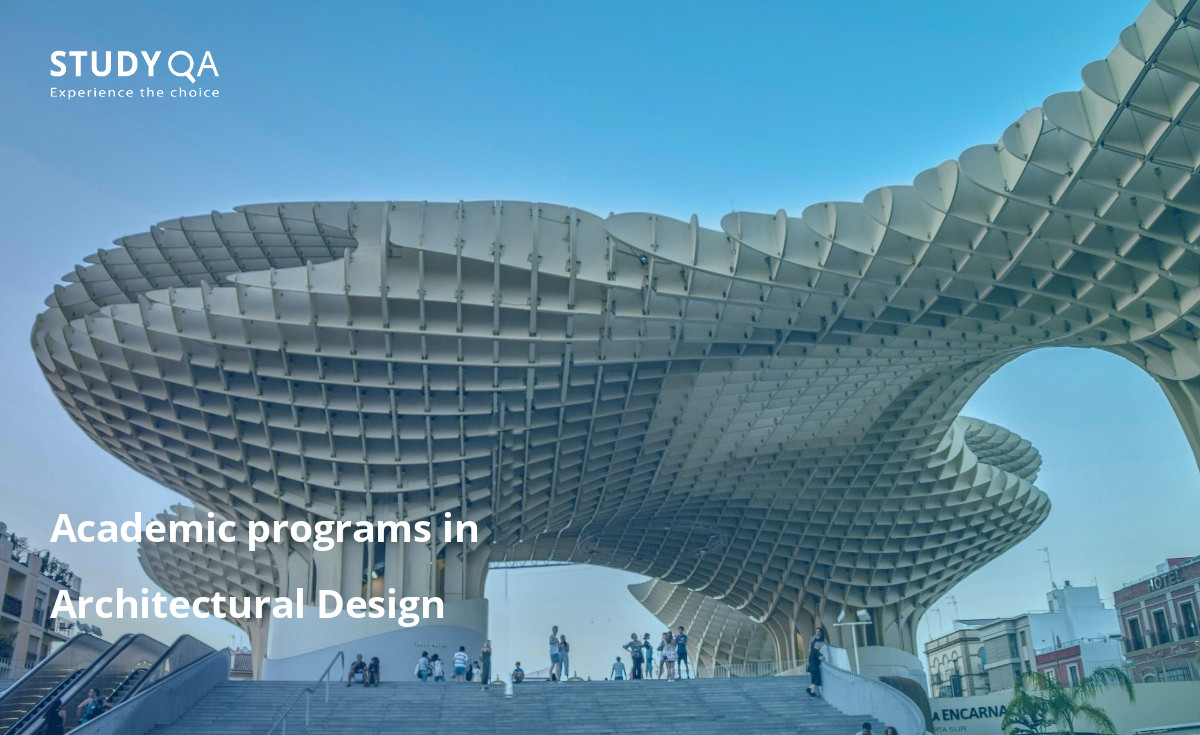
Design is much more than just aesthetics. It reacts to needs, hopes, and limitations as well as to opportunities. It’s equal parts imaginative and calculated. Understanding landscapes and the ways in which people sculpt locations within them is key to good architectural design. The common goal of architecture, landscape architecture, and urban design is to benefit society while producing functional works of beauty.
How will you study in the architectural design program?
The Bachelor of Architectural Design fosters strategic thinking and strengthens practical abilities. You will be touring renowned construction sites, landscapes, gardens, and exhibits
learning advanced practical design and model-making skills, and practising drawing on a computer and by hand. Additionally, you will be examining pertinent theory, history, tradition, and innovation taking into account ecological and environmental issues, and finally, learn how to create strong proposals.
Graduates in architectural design use their skills in a variety of rewarding careers and, through postgraduate study, take on specialized roles. You might specialize in building tiny homes or restoring lovely old structures. Natural landscapes and life cycles could be produced and preserved. Maybe you'll create the next famous opera house or skyscraper.
It is also an excellent way to be ready for other professions including those in government, development, administration, planning, art, graphic design, and digital arts that benefit from exposure to and knowledge of architectural design and problem-solving.
After completing two years of school and passing a stringent admissions procedure in the spring of their sophomore year, applicants are accepted into the program in their junior year. Students get a solid foundation in the historical, theoretical, technical, and environmental elements that affect architectural design throughout Years 3 and 4. Architectural design studios give students the chance to combine their knowledge and abilities via design projects completed in the studio's creative environment.
Meeting Challenges
The way we design and construct buildings has never evolved as swiftly as it has done right now. We are reconsidering the concept of "new urbanism" and the structure of our built environment as states and communities develop policies based on these notions. The design phases are being shortened, the design and construction teams are being integrated, and the construction times are being shortened by new materials, new construction methods, and new software. The desire to live in metropolitan and semi-urban centres is also growing, while the consequences of the worldwide pandemic may temper this tendency. When these problems are combined, we have the makings of one of Fitch's fleeting and delicate moments: a time when urbanization, sustainable solutions, and a fresh perspective on buildings and cities are all combined.
But there are other difficulties. According to studies, there is significant global population growth. This population increase will necessitate housing, workplaces, retail locations, and infrastructure to meet demands. According to at least one research, 40% of the structures that will be around in 2030 don't already exist. The structure and economy of the city and the globe have altered and will continue to change as more individuals seek refuge at home.
Are you ready to become part of a diverse team and take a step toward meeting global challenges? Getting an undergraduate degree in architectural design might be one of the most crucial steps in this direction!
Study programs (69)




Student Accommodation

 201–250 place
StudyQA ranking:
13466 pts.
No. Students:
18993
Languages:
Danish, English
Phone:
+4599409940
201–250 place
StudyQA ranking:
13466 pts.
No. Students:
18993
Languages:
Danish, English
Phone:
+4599409940
 1 place
StudyQA ranking:
12347 pts.
No. Students:
22348
Frgn. Students:
5655
No. Staff:
12510
Languages:
English
Phone:
+441865270000
Fax:
+441865270708
1 place
StudyQA ranking:
12347 pts.
No. Students:
22348
Frgn. Students:
5655
No. Staff:
12510
Languages:
English
Phone:
+441865270000
Fax:
+441865270708
 16 place
StudyQA ranking:
9172 pts.
No. Students:
26700
Frgn. Students:
7000
No. Staff:
6840
Languages:
English
Phone:
+4402076792000
16 place
StudyQA ranking:
9172 pts.
No. Students:
26700
Frgn. Students:
7000
No. Staff:
6840
Languages:
English
Phone:
+4402076792000
 59 place
StudyQA ranking:
7347 pts.
No. Students:
20934
Frgn. Students:
5566
No. Staff:
3958
Languages:
English
Phone:
+61261255111
Fax:
+61261250751
59 place
StudyQA ranking:
7347 pts.
No. Students:
20934
Frgn. Students:
5566
No. Staff:
3958
Languages:
English
Phone:
+61261255111
Fax:
+61261250751
 801–1000 place
StudyQA ranking:
6046 pts.
No. Students:
21915
Languages:
English
Phone:
+4402084179000
801–1000 place
StudyQA ranking:
6046 pts.
No. Students:
21915
Languages:
English
Phone:
+4402084179000
 601–800 place
StudyQA ranking:
5754 pts.
No. Students:
24146
No. Staff:
1404
Languages:
English
Phone:
+17855326011
601–800 place
StudyQA ranking:
5754 pts.
No. Students:
24146
No. Staff:
1404
Languages:
English
Phone:
+17855326011
 201–250 place
StudyQA ranking:
5488 pts.
No. Students:
15863
Frgn. Students:
2028
No. Staff:
4165
Languages:
English
Phone:
+4401382383000
Fax:
+441382388150
201–250 place
StudyQA ranking:
5488 pts.
No. Students:
15863
Frgn. Students:
2028
No. Staff:
4165
Languages:
English
Phone:
+4401382383000
Fax:
+441382388150
 191 place
StudyQA ranking:
5015 pts.
No. Students:
30180
No. Staff:
5230
Languages:
English
Phone:
+4402920874000
191 place
StudyQA ranking:
5015 pts.
No. Students:
30180
No. Staff:
5230
Languages:
English
Phone:
+4402920874000

















 Currency
 EUR
EUR GBP
GBP KZT
KZT INR
INR RUB
RUB