Drawing, painting, sculpture, photography, graphic design, and other artistic mediums are all included in the broad subject of visual arts. These pro...
Drawing, painting, sculpture, photography, graphic design, and other artistic mediums are all included in the broad subject of visual arts. These programs aim to get students ready for a variety of fascinating artistic occupations. Students who desire to combine a wide liberal arts education with strong art talents in a range of media might consider a visual arts degree program. If you are most content when sketching, painting, sculpting, designing, using a computer, or performing in unusual ways, a visual arts program might be a good choice for you.
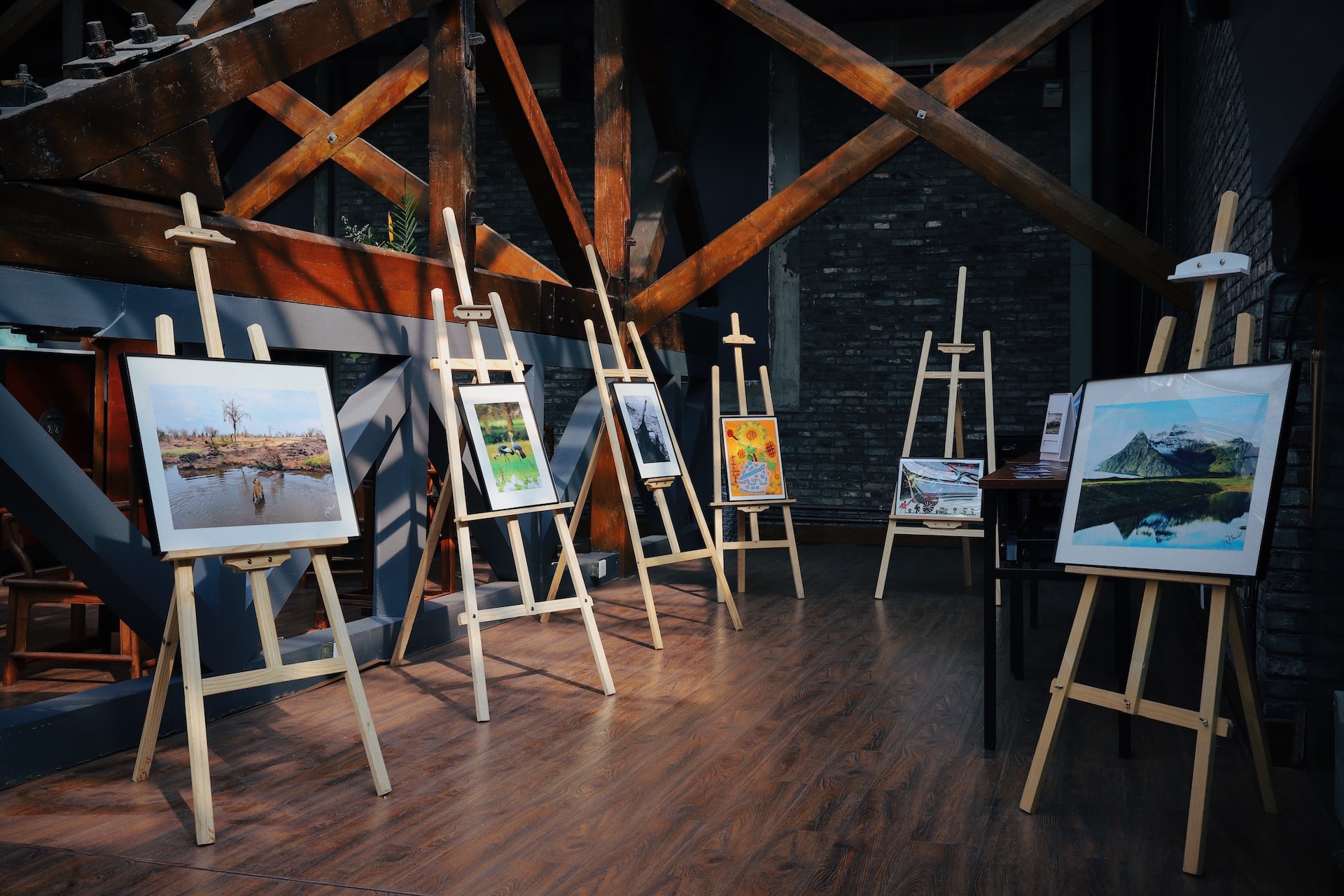
With a degree in visual arts, students have the chance to investigate studio art in the framework of a larger liberal arts curriculum. Students can pick up basic methods and ideas found in the visual arts. The importance of creative problem solving is also emphasized through in-depth analyses of artistic themes and problems.
Structure of visual-arts academic programs
Visual arts bachelor's degrees generally take three years to complete, but they can last four years if you complete an optional placement year. The third year of your study includes placement years, which provide you with valuable insight into potential career paths. There are opportunities for postgraduate study if you want to improve your knowledge and abilities even more. While Master of Arts (MA) degrees require one year of full-time study, Master of Fine Arts (MFA) programs last 18 to 24 months.
You'll spend a lot of your time as a visual arts student in studio-based lectures, tutorials, workshops, and critiques. Along with field tours to art galleries and exhibitions, several universities also provide guest lectures by subject-matter specialists.
Since visual arts is such a far-reaching field, students usually choose to specialize in a particular branch of the subject. Most universities offer an array of elective modules so it’s easy to tailor your degree to your interests, but here are some of the core modules you can expect to encounter:
Understanding visual culture
Principles and theories of visual communication
Cultural, historical and contemporary influences on visual art
Fundamentals of drawing, color, and form
Painting
Photography
Digital art forms
Graphics
Best universities to study visual arts
Visual arts is taught at many universities around the world. The best universities to study visual arts are University of Windsor (Canada), Stockton University (the US), Thompson Rivers University (Canada), Miami International University of Art & Design (the US), University of the Fraser Valley (Canada).
Career prospects
All universities prepare its graduates to find work in a constantly evolving arts job market. Graduates can work as a visual effects artist, web designer, educator, gallery owner, art director, painter and others.
Study programs (113)


Student Accommodation
 1 place
StudyQA ranking:
12347 pts.
No. Students:
22348
Frgn. Students:
5655
No. Staff:
12510
Languages:
English
Phone:
+441865270000
Fax:
+441865270708
1 place
StudyQA ranking:
12347 pts.
No. Students:
22348
Frgn. Students:
5655
No. Staff:
12510
Languages:
English
Phone:
+441865270000
Fax:
+441865270708
 501–600 place
StudyQA ranking:
11645 pts.
No. Students:
27337
Frgn. Students:
5822
No. Staff:
1668
Languages:
English
Phone:
+61746312100
Fax:
+61746312893
501–600 place
StudyQA ranking:
11645 pts.
No. Students:
27337
Frgn. Students:
5822
No. Staff:
1668
Languages:
English
Phone:
+61746312100
Fax:
+61746312893
 401–500 place
StudyQA ranking:
9321 pts.
No. Students:
17800
Frgn. Students:
2600
No. Staff:
2000
Languages:
English
Phone:
+4401202524111
Fax:
+4401202962736
401–500 place
StudyQA ranking:
9321 pts.
No. Students:
17800
Frgn. Students:
2600
No. Staff:
2000
Languages:
English
Phone:
+4401202524111
Fax:
+4401202962736
 16 place
StudyQA ranking:
9172 pts.
No. Students:
26700
Frgn. Students:
7000
No. Staff:
6840
Languages:
English
Phone:
+4402076792000
16 place
StudyQA ranking:
9172 pts.
No. Students:
26700
Frgn. Students:
7000
No. Staff:
6840
Languages:
English
Phone:
+4402076792000

 601–800 place
StudyQA ranking:
7483 pts.
No. Students:
18945
Languages:
English
Phone:
+4402083318000
601–800 place
StudyQA ranking:
7483 pts.
No. Students:
18945
Languages:
English
Phone:
+4402083318000
 59 place
StudyQA ranking:
7347 pts.
No. Students:
20934
Frgn. Students:
5566
No. Staff:
3958
Languages:
English
Phone:
+61261255111
Fax:
+61261250751
59 place
StudyQA ranking:
7347 pts.
No. Students:
20934
Frgn. Students:
5566
No. Staff:
3958
Languages:
English
Phone:
+61261255111
Fax:
+61261250751
 160 place
StudyQA ranking:
5920 pts.
No. Students:
33585
No. Staff:
8000
Languages:
English
Phone:
+4401132431751
Fax:
+4401133433932
160 place
StudyQA ranking:
5920 pts.
No. Students:
33585
No. Staff:
8000
Languages:
English
Phone:
+4401132431751
Fax:
+4401133433932

 Currency
 EUR
EUR GBP
GBP KZT
KZT INR
INR RUB
RUB